

Are you planning to build a custom home in Prescott, Prescott Valley, or Yavapai County? This building a home checklist answers the most common question we hear: "What are the exact steps to build a house?" It breaks down the entire process, from initial budgeting to final move-in, into clear, actionable phases to ensure a smooth, predictable journey.
For nearly 20 years, Able & Ready Construction has helped homeowners across Prescott, Chino Valley, and Dewey-Humboldt navigate the complexities of new construction and major renovations. As an award-winning, faith-based general contractor, we solve the problem of overwhelming and disorganized builds by providing a single, accountable partner. Our local team and Prescott showroom streamline everything from design and permitting to meticulous, code-compliant construction, turning your vision into a reality.
This guide provides the same expert insights we share with our clients daily, empowering you to start your project with confidence. It's your roadmap for transforming a monumental task into manageable steps. You will learn how to establish a realistic budget, select the right land, hire a qualified team, and oversee every milestone until you receive the keys to your new home.
What are the first steps to building a house?
The first steps to building a house are establishing a realistic budget and securing financing. Before you can select land or a design, you must understand your financial capacity. This foundational step in our building a home checklist dictates every decision that follows, from the size of your lot to the quality of your finishes. It involves more than just a total number; it's about knowing what you can afford, getting pre-qualified for a construction loan, and allocating funds for every phase, including a contingency fund for unexpected costs.
Actionable Steps for Budgeting and Financing:
- Get Pre-Qualified for a Construction Loan: Speak with lenders to determine your total borrowing capacity. In the Prescott area, new construction costs vary widely, so this provides a crucial reality check. Construction loans cover building costs and are later refinanced into a traditional mortgage.
- Create a Detailed Budget: Break down the total project cost into major categories to avoid surprises. Research all potential expenses, like how much flooring installation costs. Your budget should include:
- Land Acquisition: The cost of the property.
- Site Work: Excavation, grading, and utility connections.
- Construction Costs: Labor and materials ("hard costs").
- Permits & Fees: Payments to local municipalities like the City of Prescott or Yavapai County.
- Financing Costs: Loan fees, interest, and appraisals.
- Contingency Fund: A non-negotiable 15-20% buffer for unexpected issues.
Expert Tip: Getting detailed, line-item quotes from a trusted local builder like Able & Ready Construction is essential for an accurate budget. This transparency helps you understand exactly where your money is going. For a deeper look, review our guide on the cost to build a house in Arizona.
How do you choose land and check regulations?
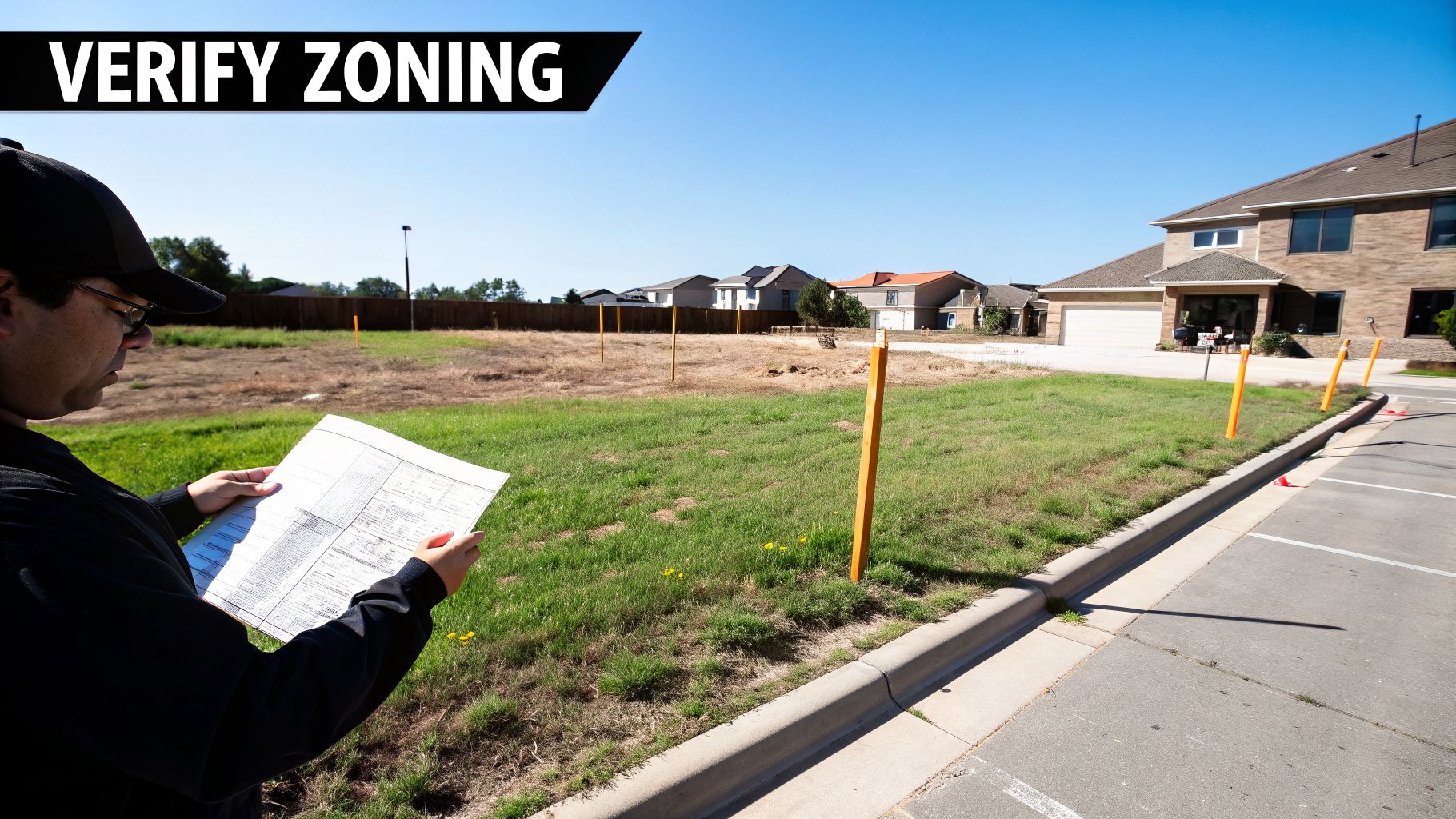
Choosing the right land is a critical step that defines your lifestyle and project viability. This involves more than finding a great view; you must diligently research local zoning codes, land use restrictions, and utility access in communities like Prescott, Prescott Valley, or Chino Valley. Verifying these details early prevents costly redesigns and legal headaches. This step ensures the land you fall in love with is a place where you can legally and practically build your dream home.
Actionable Steps for Land Selection and Zoning:
- Investigate Zoning Status: Once you identify a potential property, immediately check its zoning. Each municipality, from Prescott to Dewey-Humboldt, has distinct rules. For example, historic districts in Prescott have strict setback requirements that dictate home placement, while rural lots in Chino Valley may have specific architectural guidelines.
- Confirm Practical Viability: Evaluate the land's physical and legal characteristics. A comprehensive assessment should include:
- Zoning & Setbacks: Confirming it’s zoned for residential use and understanding all setback, height, and lot coverage rules.
- Utility Access: Verifying the availability and cost of connecting to municipal sewer/water or the requirements for a septic system and well.
- Site Engineering: Conducting soil tests and a topographical survey to check for drainage issues, soil stability, and grading needs.
- HOA & Covenants: Reviewing any Homeowners Association documents or covenants that could restrict your design, materials, or construction timeline.
- Easements: Identifying legal easements that might grant access to utility companies or neighbors, limiting where you can build.
Expert Tip: Partnering with a contractor experienced in local Yavapai County regulations is a significant advantage. At Able & Ready Construction, we help clients navigate these complex requirements from the start. Don't finalize a land purchase without this critical due diligence.
How do I find a good contractor and design team?
Finding a qualified general contractor and design team is one of the most important decisions you'll make. This professional manages the entire construction process, from hiring subcontractors to ensuring every detail meets Arizona's building codes. The right partner ensures your home is beautiful, structurally sound, and built with integrity.
Actionable Steps for Hiring Your Team:
- Focus on Established Local Builders: A contractor with deep roots in the Prescott area, like Able & Ready Construction, brings invaluable experience with local soil conditions, weather patterns, and municipal regulations in communities from Chino Valley to Dewey-Humboldt. This local expertise prevents costly delays.
- Thoroughly Vet Candidates: The goal is to find a partner you can trust. A detailed vetting process should include:
- Verify Credentials: Check their Arizona Registrar of Contractors (ROC) license (e.g., Able & Ready Construction, ROC 286905) and review their complaint history.
- Check References: Contact at least three references from recent, similar projects. Ask about communication, budget adherence, and overall satisfaction.
- Review Their Portfolio: Examine past projects to gauge their quality of work.
- Confirm Insurance: Ensure they carry general liability insurance and bonding to protect you.
- Discuss Design Integration: Ask how they work with architects. Many reputable contractors offer in-house design services for a more cohesive process.
Expert Tip: The interview is your best tool. Discuss communication preferences and ask what tools they use to keep clients informed. A contractor’s transparency is a strong indicator of a successful partnership. For more in-depth questions, explore our detailed guide on how to hire a contractor.
What is included in home construction blueprints?
Home construction blueprints are detailed technical drawings that serve as the guide for your entire build. They translate your ideas into a concrete set of instructions for your contractor, subcontractors, and city inspectors. These documents are the single source of truth, ensuring everyone works toward the same goal, which minimizes costly mid-project changes and keeps your build on schedule.
Actionable Steps for Planning and Design:
- Translate Your Vision: Start with a vision board of styles and layouts you love. Work with an architect or designer who understands building in the Prescott area. They will create the technical blueprints detailing every aspect of your home.
- Finalize All Selections: Detailed plans go beyond just floor layouts. A comprehensive design package should cover:
- Architectural Plans: Floor plans, elevations, and roof plans.
- Structural Engineering: Foundation, framing, and load-bearing specifications.
- MEP Plans: Mechanical (HVAC), Electrical, and Plumbing system layouts.
- Site Plan: House placement, grading, drainage, and utility connections.
- Finish Schedules: A detailed list of all materials, including flooring, tile, countertops, paint colors, and fixtures.
- Landscaping Design: Explore landscaping ideas for new homes early to ensure outdoor spaces complement your home’s architecture.
Expert Tip: Request 3D renderings to visualize the space before construction. This helps you confirm choices on paper, which is far less expensive than making changes later. Reviewing plans with a builder like Able & Ready Construction for constructability also helps identify potential issues before they become problems.
What permits are needed to build a house?
To build a house, you must obtain all required permits from local governing bodies. This indispensable part of our building a home checklist ensures your project is legal, safe, and built to code. The permitting process verifies that your plans comply with zoning, safety standards, and community regulations. Bypassing this step can lead to fines, stop-work orders, and problems when you eventually sell the property.
Actionable Steps for Permitting:
- Identify Necessary Permits: Requirements vary depending on the location and scope of your build. An experienced local contractor will be familiar with the nuances of jurisdictions like Yavapai County and the City of Prescott, guiding you through the necessary paperwork for everything from the foundation to electrical and plumbing systems.
- Prepare and Submit a Complete Application: Incomplete or vague drawings are a common reason for rejection. A thorough submission package typically includes:
- Detailed Blueprints: Professional architectural and engineering drawings.
- Site Plan: Shows the structure's placement on the lot.
- Permit Application Forms: Completed paperwork for the local building department.
- HOA Approval: If applicable, a letter of approval from your homeowners' association.
- Additional Documents: May include soil reports, energy calculations, or engineering specs.
Expert Tip: The permitting process can be complex. Partnering with a design-build firm like Able & Ready Construction simplifies it. We manage the entire permit acquisition process, from preparing documentation to coordinating with inspectors, ensuring your project remains on schedule and fully compliant.
How are materials and subcontractors scheduled?
With your plans approved, the next phase is ordering materials and scheduling your team of subcontractors. This is a project management challenge where timing is everything. A well-coordinated schedule ensures a smooth workflow, prevents costly delays, and keeps your project on track. Failing to order long-lead-time items early or scheduling trades out of sequence can bring construction to a standstill.
Actionable Steps for Scheduling:
- Identify Long-Lead-Time Materials: Custom or semi-custom items like cabinets, windows, and certain countertops often require ordering weeks or months in advance. For example, semi-custom cabinets can have 8–10 week lead times. Confirming these timelines before finalizing selections is essential.
- Create a Detailed Construction Schedule: Map out the logical sequence for your subcontractors to prevent on-site conflicts. The general order is:
- Structural First: Foundation, framing, and roofing crews.
- MEP Systems: Plumbers, electricians, and HVAC technicians install the home's essential systems ("rough-in") before drywall.
- Finishing Trades: After inspections and drywall, crews for flooring, tile, painting, and trim begin.
- Final Installations: The last phase includes cabinet, countertop, and appliance installation.
Expert Tip: A transparent, updated project schedule is the backbone of an efficient build. We maintain a master schedule with all material delivery dates and subcontractor timelines, sharing it with you. This proactive coordination is key to keeping the project moving forward without unnecessary idle time.
How do you ensure quality during construction?
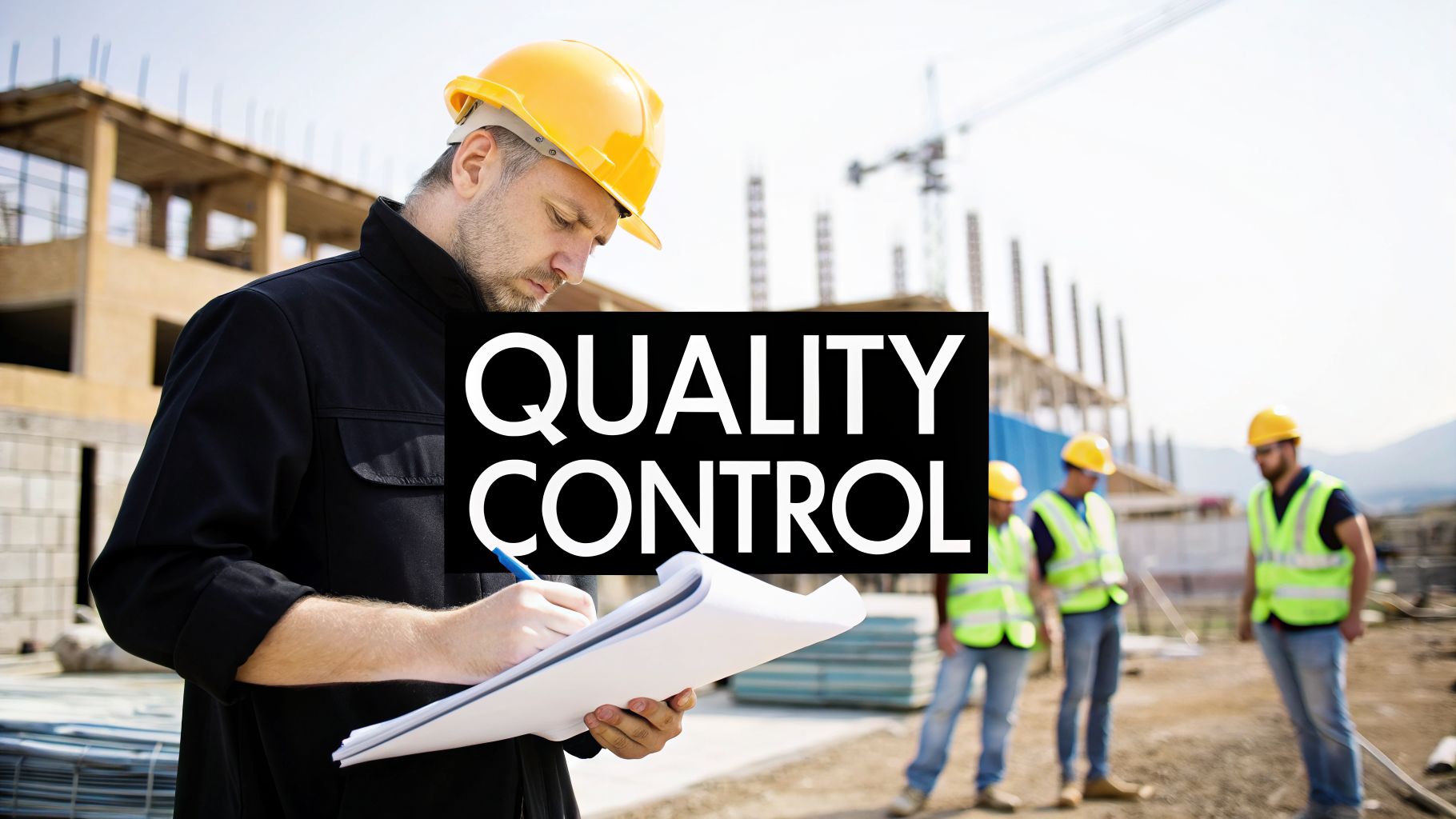
Ensuring quality during construction involves active oversight to confirm the work adheres to plans, meets quality standards, and stays on schedule and budget. A professional general contractor like Able & Ready Construction manages the day-to-day operations and coordinates subcontractors, but your involvement remains a key ingredient for success. This is the most dynamic part of the building a home checklist, where your vision starts taking physical form.
Actionable Steps for Construction Management:
- Establish a Communication Rhythm: Regular check-ins with your builder, whether on-site or virtual, prevent misunderstandings. For example, verifying that waterproofing behind a tile shower is correctly installed before the walls are closed up is far easier than fixing it later.
- Monitor Quality at Each Milestone: Understand the sequence of events so you can ask the right questions at the right time.
- Regular Site Visits: Walk the property with your contractor to observe workmanship.
- Progress Documentation: Request regular photos and updates, especially for work that will be covered up, like plumbing and electrical rough-ins.
- Immediate Feedback: Address any concerns about materials or workmanship as soon as you spot them.
- Inspection Verification: Confirm that all required municipal inspections by Yavapai County or the City of Prescott have been passed before work continues.
- Climate Awareness: Be mindful that Prescott's weather, including summer monsoons or winter freezes, can impact scheduling.
Expert Tip: Keep a dedicated project journal to document key decisions and conversations. This simple habit creates a clear record of the project's history. For a better sense of the major stages, review our guide on the new home construction timeline.
What are the main inspections when building a house?
Building inspections are non-negotiable checkpoints conducted by municipal inspectors from jurisdictions like Yavapai County or the City of Prescott. These formal reviews verify that the work adheres to approved plans and local building codes. This step is critical for safety, legal compliance, and preventing costly rework. Passing all inspections is required to receive a Certificate of Occupancy, which allows you to legally move in.
Actionable Steps for Managing Inspections:
- Schedule Inspections at Key Milestones: Your general contractor must schedule inspections at the correct times, as some work cannot be covered up until it has passed. For example, a foundation inspection must occur before concrete is poured.
- Plan for and Address Corrections: If an inspector finds an issue, work on that part of the project stops until the correction is made and a re-inspection is passed. The main inspection stages include:
- Foundation & Footings: Verifies placement, depth, and reinforcement before pouring concrete.
- Framing: Ensures the structural integrity of the walls, floors, and roof.
- MEP Rough-In: Separate inspections for Mechanical (HVAC), Electrical, and Plumbing systems before they are concealed by drywall.
- Final Inspection: A comprehensive review to ensure all systems are operational, safety features are in place, and the home is ready for occupancy.
Expert Tip: A professional builder like Able & Ready Construction maintains a strong relationship with local inspectors and manages the entire scheduling process. We encourage you to attend inspections when possible to hear the feedback directly and understand the high standards your home is being built to.
How do you choose home finishes and fixtures?
Choosing finishes, fixtures, and design details is where your house begins to reflect your personal style. This part of the building a home checklist transforms the structure into your sanctuary. These selections, from flooring and countertops to light fixtures and paint, significantly impact the final look and day-to-day function of your home. Making these decisions early is essential, as many items have long lead times.
Actionable Steps for Selections:
- Define Your Aesthetic: Gather inspiration from design magazines, Pinterest, and showrooms. Consider how your family lives. For example, a home with pets may benefit from durable luxury vinyl plank flooring, while a quieter household might opt for hardwood.
- Finalize Selections for Each Room: This detailed process balances aesthetics, durability, and your budget. In the Prescott area, consider materials that stand up to the Arizona climate, like heat-resistant countertops. Key selections include:
- Cabinetry: Style, material, and color for kitchens and bathrooms.
- Countertops: Materials like quartz, granite, or laminate.
- Flooring: Tile, wood, luxury vinyl plank, or carpet.
- Fixtures: Faucets, sinks, and lighting.
- Paint & Trim: Interior and exterior colors and millwork styles.
- Hardware: Door knobs and cabinet pulls.
Expert Tip: Always request material samples to see them in your home's actual lighting. Able & Ready Construction's local Prescott design center allows you to see and touch materials, helping you make confident choices. For deeper insight, our guide on how to choose kitchen cabinets provides specific advice.
How are changes handled during construction?
Even with careful planning, changes during construction are common. A change order is a formal document that amends the original contract to reflect a modification in scope, materials, or timeline. Properly managing these adjustments prevents budget overruns and disputes. Whether a change is your own new idea or an unforeseen site condition, a clear process ensures everyone stays on the same page.
Actionable Steps for Managing Changes:
- Establish a "No Verbal Agreements" Policy: Any proposed change must be documented. If you decide to upgrade countertops, your builder should provide a written change order detailing the cost difference and schedule impact. This ensures transparency.
- Follow a Formal Change Order Process:
- Formal Request: Submit your requested change in writing.
- Detailed Proposal: The builder provides a document outlining the new scope, cost change, and schedule adjustment.
- Careful Review: Scrutinize the proposal before signing.
- Signed Approval: Both you and the builder must sign the change order before new work begins.
- Budget Update: Adjust your project budget spreadsheet immediately to see how it affects your contingency fund.
- Documentation: Keep a dedicated file for all signed change orders.
Expert Tip: The best way to control costs is to minimize changes by finalizing decisions before construction starts. At Able & Ready Construction, we guide clients through a comprehensive design and selection phase upfront. When changes are necessary, our documented process ensures you always know the financial and schedule implications beforehand.
10-Point Home Build Checklist Comparison
| Step | 🔄 Implementation Complexity | ⚡ Resource & Time | 📊 Expected Outcomes | 💡 Ideal Use Cases | ⭐ Key Advantages |
|---|---|---|---|---|---|
| Establish Your Budget and Financing | Moderate — paperwork and lender coordination | Personal financial docs, lender time; 2–6 weeks; 10–20% contingency | Clear budget, financing approval, prioritized scope | All projects; first step before land/design | Prevents overspending; enables realistic planning |
| Select Your Land and Verify Zoning Compliance | Medium — research, surveys, and tests required | Surveyor, soil tests, zoning review; 2–8 weeks | Legally buildable site, known constraints, utility info | New builds, rural lots, site-dependent designs | Avoids redesigns and costly compliance issues |
| Hire a Qualified General Contractor and Design Team | Medium–High — vetting, contracts, coordination | Time for interviews, license checks, design fees; weeks to secure | Professional management, code compliance, warranties | Whole-home builds, complex renovations | Reduces errors; provides single-point accountability |
| Develop Detailed Plans, Blueprints, and Design Specifications | High — architectural and engineering work | Architect/engineer fees, revisions; 4–12+ weeks | Permittable plans, accurate cost and constructability | New builds, additions, permit-heavy projects | Clear scope; fewer surprises and change orders |
| Obtain All Required Permits and Approvals | Medium — applications and possible revisions | Building department, fees, plan review; 2–8+ weeks | Legal compliance, inspection schedule, occupancy approval | Any regulated construction or structural work | Ensures safety; required for financing and resale |
| Order Materials and Schedule Subcontractors | Medium — coordination of lead times and deliveries | Supplier deposits, storage, scheduling; lead times 4–12 weeks | Timely installations, reduced idle time, quality checks | Projects with custom/long-lead items (cabinets, counters) | Prevents delays; can lock pricing and quality |
| Manage the Construction Phase and Quality Control | High — daily oversight and issue resolution | Project manager, regular inspections, ongoing coordination | Quality workmanship, schedule adherence, documented progress | All active construction phases | Reduces rework; enforces standards and safety |
| Schedule Inspections and Ensure Code Compliance | Low–Medium — timing and accessibility coordination | Inspector appointments, documentation; possible re-inspections | Passed inspections, certificate of occupancy, official records | All permitted work, especially MEP and structural phases | Catches hidden issues early; required for insurance/sale |
| Select Finishes, Fixtures, and Design Details | Low–Medium — many decisions and samples needed | Showroom visits, sample testing, budgets; some long lead times | Cohesive aesthetics, functional selections, finalized specs | Interior finishes, kitchen/bath remodels, final fit‑out | Enhances value and livability; defines final look |
| Handle Change Orders and Manage Budget Adjustments | Medium–High — documentation and approvals required | Administrative time, contingency funds, contract updates | Controlled changes, tracked cost and schedule impacts | Unforeseen site conditions or homeowner-initiated changes | Prevents disputes; maintains transparency and records |
Frequently Asked Questions (FAQs)
What is the hardest part of building a house?
The hardest part of building a house is often the pre-construction phase: creating a realistic budget, securing financing, and making countless design decisions before any work begins. This phase requires meticulous planning and foresight to prevent costly changes and delays down the road.
Can I be my own general contractor?
While it is legally possible in Arizona to act as an owner-builder, it is not recommended unless you have extensive construction experience. A general contractor manages complex scheduling, subcontractor coordination, permitting, and inspections. Mistakes can lead to significant budget overruns, safety issues, and a lower-quality home.
How long does it take to build a custom home in the Prescott area?
On average, building a custom home in Prescott or surrounding areas takes 9 to 14 months from breaking ground to completion. This timeline can vary based on the home's complexity, weather delays (like monsoons or winter freezes), permitting times, and material availability.
Following this building a home checklist is the first step toward turning your vision into a reality. The process is complex, but you don't have to manage it alone. The most important decision you'll make is choosing your building partner. A great general contractor orchestrates every moving part, turning the stress of a complex project into a structured, predictable, and enjoyable experience. They are your advocate, your quality control manager, and your guide.
At Able & Ready Construction, we've been helping families across Prescott and Yavapai County build with confidence for nearly two decades. Our faith-based values guide our commitment to integrity, craftsmanship, and transparent communication. We invite you to visit our Prescott showroom or contact us online to discuss how our experienced team can bring your vision to life, one checklist item at a time.

