
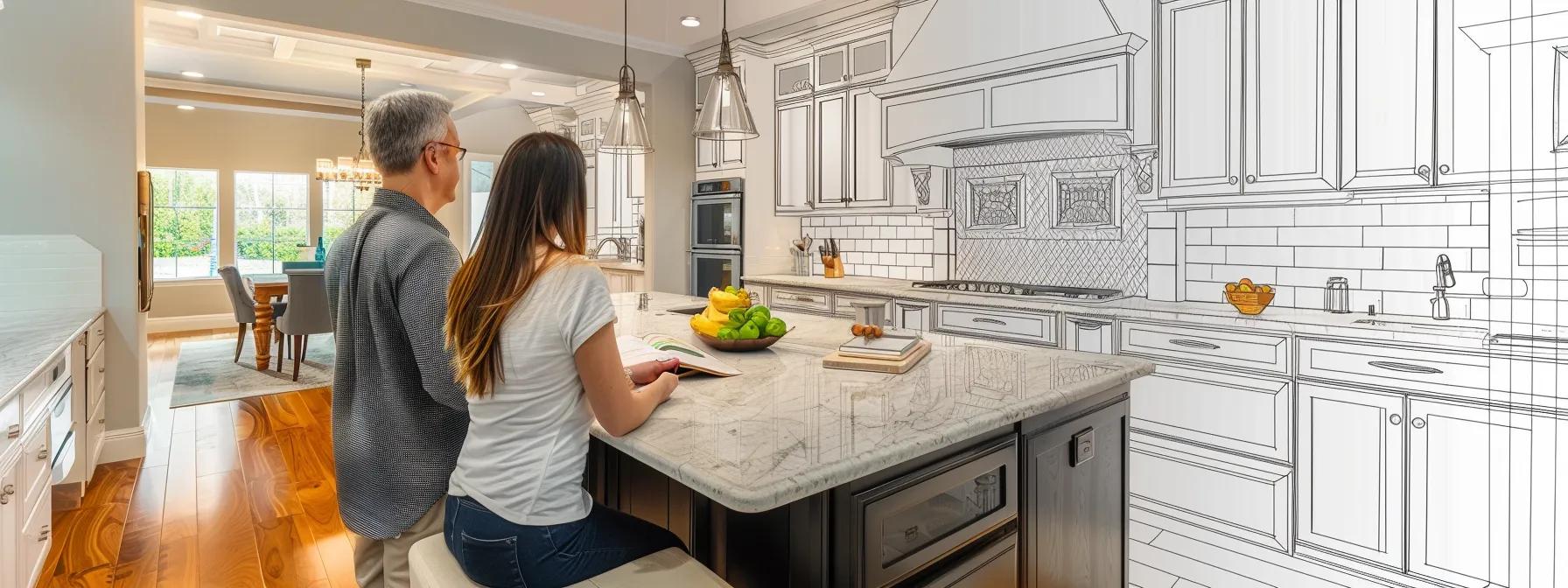

In today’s competitive home improvement market, selecting the best kitchen remodel company in Prescott is crucial for ensuring a successful project outcome that aligns with your design vision and budget. Homeowners face many challenges when renovating their kitchens, from identifying the specific needs of the space to navigating competing contractors and managing timelines and costs. Kitchen remodels not only improve functionality and aesthetic appeal but also increase the overall value of your home. Whether your kitchen currently feels cramped or outdated, a well-executed remodel can open up your space, improve lighting, update cabinetry, and integrate modern appliances in line with contemporary design trends. With the rapid evolution of kitchen technology and design—as seen in innovations such as cooktop installations, quartz countertops, and custom cabinetry—understanding how to hire a contractor who delivers excellence is more important than ever. In this article, every aspect of the selection process will be covered, from self-assessment and research to communication and final project review. The discussion is supported by industry research and examples that underscore the impact of strategic planning and contractor quality. By the end, you will be equipped with actionable ideas and step-by-step guidance to ensure that every detail—from flooring and lighting to customer service and overall project management—is addressed. This comprehensive guide will make sure you not only hire the best kitchen remodel company in Prescott but also create a space that meets your practical needs while acting as a solid investment.
Identify Your Kitchen Remodeling Needs in Prescott
Before reaching out to any remodeling company, it is essential to fully understand your kitchen’s current state and what you envision for its future. This section helps homeowners answer imperative questions about functionality, style, budget, and trends.
Assess Your Current Kitchen Layout and Functionality
The first step involves taking a detailed look at your existing kitchen layout. Begin by evaluating how your kitchen functions on a daily basis; this includes storage efficiency, the usability of counter spaces, and the ease of movement around cooking areas. For example, consider whether your sink, stove, and refrigerator are placed in a convenient work triangle. Additionally, look at how lighting and ventilation work in your kitchen. Analyzing the current state allows you to identify issues such as insufficient storage, outdated fixtures, or limited workspace that hinder productivity. A precise assessment unveils both the strong points and weaknesses of your layout, which is critical for establishing goals for your remodel.
List Desired Features and Upgrades for Your Remodel
Once you know what needs improvement, list the upgrades you desire. This might include modern cabinetry, energy-efficient appliances, open plan design, innovative cooktops, or enhanced pantry storage. Be specific about design elements like tile, marble countertops, and wood accents. If you appreciate the style of farmhouse kitchens or modern minimalist designs, note that too. Consider how features like a central island or upgraded lighting could impact the functionality and style of your space. Having a clear list enables you to communicate your expectations effectively when speaking with contractors and influences the overall project scope and estimate.
Determine Your Budget and Timeline for the Project
Understanding financial boundaries is critical to setting realistic expectations. Start by determining a budget that aligns with both the scale of your remodel and your financial comfort level. Consider all aspects such as the cost of materials—ranging from drywall to high-end quartz surfaces—and professional labor fees. Also, determine a timeline for project completion. A well-planned schedule can help in coordinating between different contractors and ensuring minimal disruption to daily routines. Homeowners should remain flexible, as unexpected issues like hidden repairs may extend timelines and add costs; having a contingency fund is advisable.
Evaluate Your Style Preferences for Kitchen Design
Your kitchen remodel should reflect your personal style and serve the way you live. Evaluate various design elements such as color palettes, lighting schemes, cabinet styles, and appliance finishes that align with your preferred home décor. Consider whether you lean toward traditional rustic charm, modern industrial, or sleek contemporary designs. An understanding of your style ensures that the remodeling project results in a kitchen that is both aesthetically pleasing and functional, balancing form and utility. This also influences material selection, such as opting for energy-efficient LED lighting or sustainable wood finishes that add both charm and practicality.
Research Local Kitchen Trends for Inspiration
Investigate current kitchen trends in Prescott and the broader home renovation market. Look for inspiration in design magazines, local home shows, and online platforms like ablereadyllc.com—where ideas related to cabinetry, countertop design, and space optimization are showcased. Researching trends not only provides innovative ideas but also helps prepare you to discuss contemporary techniques with prospective remodel companies. Trends such as open-concept layouts, smart home integrations, and modern storage solutions can inspire you to incorporate new features that increase both functionality and the market value of your home.
Key Takeaways: – Evaluate your existing kitchen layout to pinpoint functional issues. – List specific upgrades, including appliance, lighting, and storage options. – Establish a clear budget and timeline with room for contingencies. – Define personal style preferences to align design outcomes. – Research local trends for innovative ideas and inspiration.
Research Kitchen Remodel Companies in Prescott

After identifying your kitchen remodeling needs, the next step is to research local remodel companies to narrow down your options. This section emphasizes using various sources and verifying contractor credentials to ensure you choose a reliable remodeling partner.
Utilize Online Platforms to Find Local Contractors
Online research is a rapid and effective method to find reputable kitchen remodel companies in Prescott. Start by using platforms such as Google, Yelp, and Houzz to compile a list of potential contractors. These platforms often offer specific filtering options, like company ratings, years in business, and examples of completed projects. Additionally, many websites now include virtual tours or galleries of previous remodels, allowing you to gauge the quality of work and design aesthetics. A thorough online search will also give insight into the latest design trends and innovative techniques being applied by local companies.
Check Reviews and Ratings From Previous Clients
Client reviews and ratings are a trustworthy way to evaluate contractor performance. Analyze these reviews for mentions of communication, adherence to budgets, quality of workmanship, and overall professionalism. It is advisable to focus not only on aggregate ratings but also on detailed testimonials that highlight both strengths and areas for improvement. Reviews on multiple platforms—such as Angie’s List, Google Business Reviews, and the Better Business Bureau—can provide a more balanced view. Reviews that include detailed narratives about the project, unforeseen issues, and how those were handled provide critical insights into the contractor’s reliability and dedication to customer service.
Explore Company Portfolios and Past Projects
Examining a company’s portfolio is essential for understanding the scope and style of their work. Request portfolio examples from each company, paying close attention to projects similar in scale and design to your kitchen remodel. Look for consistent quality, attention to detail, and innovative design solutions in their past work. A diverse portfolio can also indicate a contractor’s versatility and ability to adapt to different design challenges. In this scenario, reviewing documents, case studies, or before-and-after photos provides tangible evidence of their expertise and creativity.
Ask for Recommendations From Friends and Family
Word-of-mouth recommendations are invaluable when selecting a remodeling partner. Friends, family members, or neighbors who have undergone similar projects can provide firsthand accounts of their experiences with local companies. These personal referrals often help uncover details not available in online reviews, such as the reliability of the contractor during unexpected project challenges, adherence to schedules, and the overall satisfaction with the completed remodel. Such testimonials can serve as a critical deciding factor in narrowing down your selection.
Verify Company Licenses and Insurance for Safety
Ensuring that a remodeling company is fully licensed and insured is non-negotiable for protecting your investment and ensuring safety during the project. Verify that the contractor holds the appropriate state and local licenses and that their insurance coverage includes liability and workers’ compensation. This verification reduces the risk of incurring extra costs due to accidents or damages during the remodel. It is recommended to ask for copies of licenses and insurance certificates before signing any agreements. Proper documentation not only safeguards your project but also reflects the company’s professionalism and compliance with industry standards.
Key Takeaways: – Use multiple online platforms to gather a list of potential remodel companies. – Assess contractor reviews and ratings across multiple reputable sites. – Examine company portfolios for consistency and relevant project experience. – Leverage personal recommendations for unbiased insights. – Confirm that contractors maintain current licenses and adequate insurance.
Analyze Qualifications and Experience of Contractors
Once you have a shortlist of potential contractors, digging deeper into their qualifications and experience is essential. This section focuses on evaluating the industry knowledge, specialization, and customer feedback that underpin a contractor’s reputation.
Investigate the Industry Experience of Each Company
In a selection process as critical as a kitchen remodel, experience is a significant indicator of reliability. Look for companies that have been operating for several years and have a history of successfully completed kitchen remodels in Prescott. Longstanding firms often have well-established process workflows, a robust network of suppliers, and refined workmanship. Experience in local projects ensures that the contractor is familiar with regional building codes, climate considerations affecting design elements like insulation and lighting, and market trends that influence home renovation costs. Established companies are more likely to offer a warranty on their work and have a proven record of meeting project deadlines without compromising quality.
Inquire About the Team’s Certifications and Training
Certifications and ongoing training are essential markers of a contractor’s commitment to quality. Ask about industry recognitions, training programs, and any specialized certifications the team might hold, such as those offered by the National Kitchen & Bath Association (NKBA) or other venerable institutions. These credentials provide assurance that the team is well-versed in advanced techniques and safety protocols. Additionally, inquire if the team participates in continuing education or if they engage with industry professionals at home improvement expos. This proactive engagement is indicative of a contractor who stays updated on the latest technological advancements, sustainable practices, and design trends, ultimately benefiting the overall remodel.
Look for Specialized Expertise in Kitchen Remodels
Not every general contractor excels in kitchen remodeling. It is important to identify companies with a specialized focus on kitchens. Specialized expertise means the contractor understands the nuances of kitchen design, including work triangle efficiency, material durability (for surfaces like tile and marble), appliance integration, and space optimization. When you review portfolios or request case studies, ensure that the contractor has executed projects that closely resemble your requirements. This expertise reduces miscommunication and ensures technical challenges—such as electrical, plumbing, and cabinetry measurements—are handled correctly. A specialized kitchen remodel provides both aesthetic improvements and functional enhancements that can lead to a more efficient, enjoyable cooking environment.
Assess Their Project Management Approach and Efficiency
An organized project management process is pivotal to keeping your remodel on schedule and within budget. Evaluate each contractor’s approach to project management by asking how they coordinate labor, schedule inspections, manage material deliveries, and handle unforeseen issues. Reliable contractors typically employ digital tools to track project milestones and communicate progress with clients. Request a detailed timeline for your specific project and analyze their strategies for handling delays or changes in scope. The ability to efficiently manage all aspects of the project—from initial assessment to the final walkthrough—ensures that every component aligns with your design vision and deadlines.
Request References From Previous Customers for Feedback
Direct feedback from past clients serves as one of the most compelling ways to evaluate a contractor’s performance. Request detailed references and, if possible, schedule follow-up calls to discuss their experience. Inquire about issues that arose during their project, how the contractor resolved them, and whether the final results met their expectations. References can reveal subtleties such as the contractor’s responsiveness, the quality of craftsmanship, and overall customer satisfaction. Positive references, particularly from clients with projects similar in scale and style to yours, validate the contractor’s claims of expertise and reliability. Such transparency reassures homeowners that they are making a well-informed decision.
Key Takeaways: – Prioritize contractors with extensive local industry experience. – Ensure the team holds relevant certifications and stays current with training. – Choose a company with specialized kitchen remodel expertise for tailored results. – Assess the project management methodology for efficiency and clarity. – Verify performance through direct customer references and feedback.
Obtain Detailed Estimates and Proposals

With a focused list of qualified contractors, the next safeguard in your selection process is to obtain detailed estimates and proposals. A comprehensive proposal is a blueprint that outlines every aspect of the project, from cost breakdowns to material specifications and timelines.
Request Written Estimates From Multiple Contractors
Start by contacting multiple contractors to request written, detailed estimates. This ensures that you have a comprehensive view of potential costs and avoids the pitfalls of verbal promises. A competitive bidding process not only helps you assess market rates but also forces contractors to present a clear breakdown of expenses, including labor, materials, permits, and contingencies. Written estimates provide a reference point for comparing project scopes, which is particularly important when negotiating terms and clarifying expectations. This step eliminates ambiguity and sets a solid foundation for contractual agreements.
Compare Pricing Structures, Scope of Work, and Materials
When reviewing proposals, look beyond the final cost and evaluate the elements that contribute to the overall estimate. Compare the pricing structures offered by each contractor, ensuring that the scope of work is comprehensive and includes essential components such as demolition, installation, and cleanup. Analyze the materials proposed—whether they include specific brands or quality references for cabinets, countertops, or flooring—and determine if they align with your design vision and budget. Discrepancies in scope or differences in material quality can significantly affect the final outcome and long-term satisfaction with your remodel. An informed comparison also helps in understanding whether higher-priced proposals offer a superior quality guarantee and longer warranties.
Ask About Warranties and Guarantees on Completed Work
A reputable contractor stands behind their work. During discussions, ask specific questions about warranties and guarantees provided on both labor and materials. Contractors who offer comprehensive warranties typically have confidence in their workmanship and build quality. Understanding these aspects is crucial because a solid warranty protects you from unforeseen issues and future repairs. Additionally, warranties lend confidence for those making long-term investments in home renovation projects. Make sure to have warranty details spelled out in the proposal and contract to avoid any misunderstanding post-project completion.
Evaluate the Clarity and Comprehensiveness of Each Proposal
A good proposal should be detailed, well-organized, and easy to understand. It must outline the project timeline, payment milestones, and specific responsibilities for both the contractor and the homeowner. Read through each proposal carefully to ensure that every element is clearly presented. Ambiguities or missing details can lead to disputes later on. Look for proposals that provide contingency plans for unexpected challenges—this is a sign of thorough planning and professional foresight. A comprehensive proposal not only details the financial aspect but also sets a roadmap for project execution, ensuring that both parties have aligned expectations from start to finish.
Discuss Payment Schedules and Financing Options Available
Finally, a critical component of a remodeling project is understanding payment expectations and options. Discuss with each contractor how they plan to structure the payments. Many companies prefer a deposit upfront, followed by subsequent payments tied to key project milestones, with a final balance due upon completion. Ask if financing options or payment plans are available, which can ease the burden on your cash flow. A transparent payment schedule helps avoid misunderstandings and ensures that progress and quality are maintained throughout the remodel. Homeowners should choose proposals that offer flexibility and clear, dependable terms, ensuring the remodeling process is financially manageable and stress-free.
Key Takeaways: – Obtain written, detailed estimates from several contractors for comparison. – Scrutinize proposals for scope of work, material quality, and pricing structures. – Confirm warranty and guarantee terms to protect your long-term investment. – Ensure proposals are clear, comprehensive, and include contingency plans. – Discuss and agree upon transparent payment schedules and financing options.
Communicate Effectively With Selected Contractor

Effective communication is critical to the success of any remodeling project. Establishing a clear dialogue with your chosen contractor from the very beginning sets the tone for a smooth, transparent process. This section covers strategies for maintaining open lines of communication throughout the remodel.
Establish a Clear Line of Communication Before Starting
Initiating discussions with the contractor should involve establishing a single point of contact for the project. Both parties should agree on preferred methods of communication—whether through email, phone calls, or project management software—to ensure regular updates. A documented communication plan sets expectations regarding response times, meeting schedules, and progress reporting. By doing so, misunderstandings are minimized, and you maintain real-time visibility into the project’s status. Early clarification of these protocols helps mitigate potential delays and reinforces accountability from the contractor.
Share Your Design Vision and Expectations Openly
It is important to communicate your design vision and project expectations clearly. Share detailed mood boards, sketches, or digital designs that represent your ideal outcome. Discuss critical elements such as layout, materials (like tile or marble), lighting preferences, and ergonomic considerations. Open communication at this stage ensures the contractor fully understands your goals and can offer suggestions or adjustments based on their professional expertise. Collaboration in the design phase can also uncover opportunities for innovative solutions that balance aesthetics with functionality—for instance, integrating efficient storage solutions or updated appliances to improve energy efficiency and usability.
Discuss Timelines and Project Milestones Together
Project milestones and timelines should be openly discussed and agreed upon from the start. Detail every phase of the remodel, from initial demolition to final inspections, and define key deliverables along the way. A mutually agreed timetable not only helps manage expectations but also serves as a baseline for assessing progress at regular intervals. The contractor should provide insights into potential delays, such as material sourcing or permit approvals, so that the schedule can be adjusted appropriately. Clear milestones help both homeowner and contractor stay aligned throughout the process, ensuring that everyone works towards common deadlines and that progress is systematically tracked.
Stay Available for Questions or Clarifications During the Remodel
Even with a detailed plan in place, unforeseen issues may arise during the remodel. Maintain availability to address queries, share decisions, or provide approvals promptly. Regular site visits and progress meetings allow you to catch matters early—such as discrepancies in installation or design variations—so they can be corrected before becoming major problems. This ongoing interaction ensures that any challenges are quickly resolved, and that the project remains on track. It also fosters a collaborative environment where problems are seen as opportunities for improvement rather than setbacks.
Provide Feedback Throughout the Process for Satisfaction
Consistent, constructive feedback throughout the remodeling process is key for ensuring that the final output aligns with your original vision. After each milestone, provide your impressions and any necessary adjustments. This two-way feedback loop gives contractors the chance to recalibrate their approach, ensuring the finished project meets your satisfaction. By staying actively engaged and communicating openly, you help build a partnership that values quality, detail, and adherence to established plans. Feedback sessions ultimately lead to a more refined outcome and reinforce the overall trust between you and the contractor.
Key Takeaways: – Establish a clear, documented communication plan with your contractor. – Share detailed design ideas and expectations early in the process. – Agree on realistic timelines and milestones that track progress. – Stay actively available to address questions and unexpected issues. – Provide regular, constructive feedback to ensure project satisfaction.
Review Final Work and Ensure Satisfaction

Reviewing the final work is the culminating step in your kitchen remodel journey and is essential for achieving complete satisfaction. This phase provides an opportunity to verify that every detail meets the agreed-upon plan and that any issues are resolved before the project is considered complete.
Conduct a Thorough Inspection of the Completed Project
Once your kitchen remodel is finished, it is important to carry out a detailed inspection. Walk through every area of your new kitchen, deliberately checking for workmanship quality, adherence to design specifications, and suitability of materials used. Inspect elements such as cabinetry alignment, countertop finishes, and the precision of electrical and plumbing installations. A comprehensive inspection ensures that any minor imperfections or oversights are identified while the contractor is still available to resolve them. Document the results of your inspection with photos and detailed notes for future reference.
Verify That All Elements Match the Agreed-Upon Plan
Compare the final outcome with the original estimates, proposals, and design plans. Verify that each element—from floor plans and lighting configurations to cabinetry details and appliance installations—aligns with what was initially agreed upon. This step includes ensuring that the contractor used the specified materials, adhered to the budgetary guidelines, and completed all of the tasks outlined in the proposal. Any discrepancies should be addressed immediately, either by requesting adjustments or clarifications from the contractor before approving the finished work. This verification process is crucial for maintaining transparency and accountability.
Address Any Lingering Issues or Adjustments Needed
Even with a meticulous plan, some issues may become noticeable only after the remodel is complete. Whether it’s a minor misalignment in tile work or a difference in color shades for cabinetry, it is important to address these concerns with your contractor as soon as possible. Openly communicate any lingering issues and request that they be resolved under the terms specified in your contract or warranty. Most reputable companies will offer prompt follow-up adjustments to ensure customer satisfaction. This proactive approach not only ensures that the final product meets your expectations but also builds a foundation of trust for future projects.
Complete Any Final Payments Upon Satisfaction
Only after you are completely satisfied with the final work should you complete any remaining payments to your contractor. Withholding full payment until all agreed-upon elements have been reviewed reinforces accountability and gives you leverage to ensure that every detail is up to standard. Confirm that all contractual terms have been met before releasing the final funds. A final payment milestone tied to project satisfaction is a common best practice in the remodeling industry and helps guarantee that the project is delivered as promised.
Leave a Review to Help Others in Their Decision-Making
After your project is successfully completed, consider leaving a detailed review of your experience. Feedback from your remodel can provide invaluable insights to future homeowners and contribute to the local business community’s transparency. Highlight aspects such as communication efficiency, project management, workmanship quality, and overall satisfaction. Whether your experience was extraordinary or highlighted areas for improvement, offering a balanced review promotes accountability in the industry and helps other homeowners make informed decisions.
Key Takeaways: – Conduct a detailed inspection of the remodeled kitchen to identify any issues. – Cross-check every element with the agreed-upon plans and proposals. – Address and resolve any discrepancies immediately with the contractor. – Finalize payments only after confirming complete satisfaction. – Provide an honest review to assist future homeowners in their decision-making.
Conclusion

Selecting the best kitchen remodel company in Prescott requires thorough planning, meticulous research, and dynamic communication with potential contractors. From clearly identifying your kitchen’s needs and evaluating your personal style preference to scrutinizing contractor qualifications and obtaining detailed estimates, every step is crucial for a successful project outcome. Each phase—from the initial layout assessment to final inspections—plays an integral role in ensuring the remodel not only meets but exceeds your expectations and adds value to your home.
The process is anchored by open communication and feedback, ensuring that adjustments are promptly addressed throughout the remodel. Following these steps empowers homeowners to mitigate risks, control costs, and achieve a finished kitchen that reflects both functionality and aesthetic appeal. Ultimately, a successful remodel is the result of a comprehensive approach, strategic planning, and a commitment to excellence. Homeowners are encouraged to use these guidelines to confidently move forward with their remodeling projects and enjoy a kitchen that is perfectly tailored to both everyday needs and future investments.
Frequently Asked Questions
Q: How do I start assessing my current kitchen layout before remodeling? A: Begin by observing daily usage patterns and identifying inefficiencies such as poor storage or awkward work triangles. Documenting these issues helps in planning upgrades like improved cabinetry or modern lighting.
Q: What should I include in my list of desired features for my remodel? A: Your list should cover specific upgrades such as durable materials, energy-efficient appliances, improved lighting, modern countertops, enhanced storage solutions, and style elements that reflect your personal taste.
Q: Why is it important to verify a contractor’s licensing and insurance? A: Verified licenses and insurance protect you from potential liabilities and ensure that the contractor meets industry standards. This verification minimizes risks related to accidents, damages, or legal disputes during the renovation.
Q: How can I compare different contractors’ proposals effectively? A: Evaluate proposals by comparing detailed cost breakdowns, scope of work, material quality, warranties, and payment schedules. Request multiple written estimates to gauge market averages and ensure clarity in expectations.
Q: What should I do if I notice issues during the final inspection of my remodel? A: Document any discrepancies immediately, bring them to the contractor’s attention, and request necessary adjustments. Only complete the final payment after ensuring that all elements match the agreed-upon plan.
Q: How important are customer reviews in selecting a contractor? A: Customer reviews provide firsthand insights into a contractor’s reliability, quality of work, and level of professionalism. They are a vital resource for evaluating past performance and making an informed decision.
Q: What is a recommended strategy for maintaining communication during a remodel? A: Establish a clear communication plan with regular meetings, progress reports, and a designated point of contact. This proactive approach ensures that any issues are promptly addressed and that the project remains aligned with your vision.
Final Thoughts
A successful kitchen remodel in Prescott begins with a thorough understanding of your existing space and a clear vision for the future. By carefully researching local contractors, scrutinizing their qualifications, and obtaining detailed proposals, homeowners lay a solid foundation for a transformative project. Effective communication and a rigorous final inspection help ensure that every detail aligns with your plans, resulting in a functional and beautiful kitchen. Use these guidelines as a roadmap toward achieving a cost-effective, high-quality remodeling experience that enhances your home’s value and functionality.

