
A shiplap wall is a type of paneling made from wooden boards that fit together with a special overlapping “rabbet” joint. This creates a distinct, repeating gap that adds texture, character, and durability to a room. For nearly two decades, Able & Ready Construction has helped homeowners across Prescott, Prescott Valley, Chino Valley, and Dewey-Humboldt solve their remodeling challenges by installing beautiful, long-lasting shiplap walls.
If you’re a resident in the Prescott area considering a remodel, you’ve likely seen shiplap and wondered if it’s right for your home. We created this guide to answer your questions directly. As a full-service, faith-based general contractor with an in-house design center in Prescott Valley, we believe in providing clear, factual information so you can make confident decisions for your project, whether it’s a simple accent wall or a custom home build.
What is a shiplap wall and how is it made?
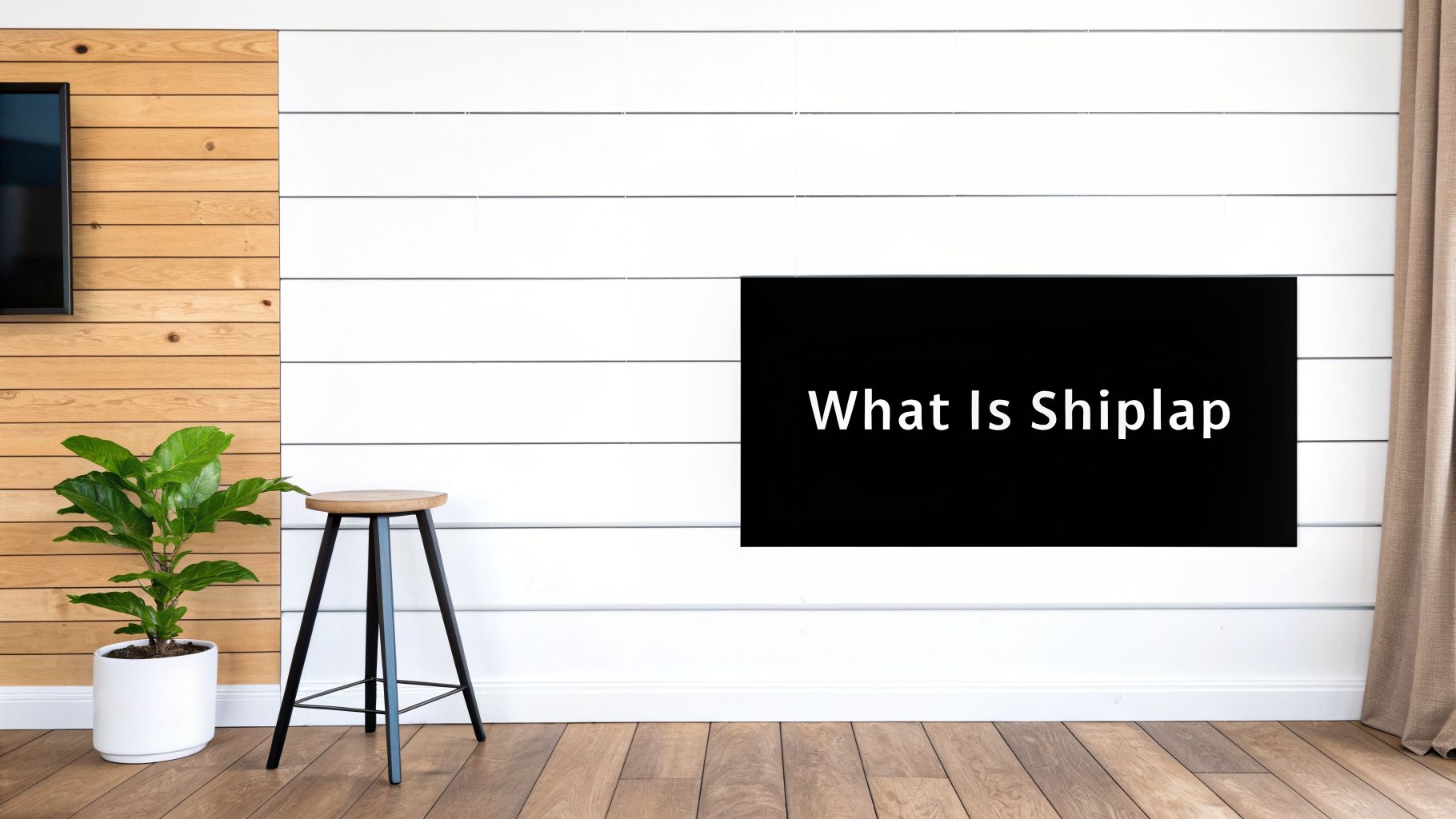
A shiplap wall is constructed using planks where each board has a special groove, called a rabbet, cut along its edges. When installed, one board's rabbet overlaps the next. This simple but effective design forms a strong, weather-resistant connection that leaves a signature shadow line or gap, often called a "nickel gap."
This design isn't just for looks; it has a practical history. This overlapping method was originally used to waterproof the hulls of ships and protect barns from the elements. That historical durability is what makes it a fantastic and reliable choice for modern homes in Northern Arizona.
What is the difference between shiplap, tongue and groove, and beadboard?
It’s easy to confuse shiplap with other popular wall treatments. The difference is all in how the boards connect. At our Prescott Valley design center, we show clients these differences firsthand to help them choose.
- Shiplap: Uses an overlapping rabbet joint. This is intentionally designed to create a visible gap or shadow line, giving the wall its unique texture.
- Tongue and Groove: These boards interlock perfectly. A "tongue" on one side fits snugly into a "groove" on the other, creating a smooth, seamless surface with no gap.
- Beadboard: This typically comes in large panels milled to look like several narrow tongue-and-groove planks. It’s defined by the decorative "bead" detail between each "plank."
The versatility of shiplap allows it to bring a rustic feel to a Prescott cabin or a clean, modern look to a new build in Chino Valley. Our job at Able & Ready Construction is to ensure the material and installation align perfectly with your home’s character, delivering a beautiful finish that’s built to last.
What is the history of shiplap?
Shiplap’s story begins at sea, not in a modern farmhouse. The design originated with ancient seafarers who needed strong, watertight ship hulls. The overlapping planks were a practical solution for performance under extreme pressure. This maritime innovation later moved to land, becoming a common exterior siding for barns, sheds, and homes across 19th-century America to provide a formidable barrier against wind, rain, and snow.
This deep history of durability is why shiplap is an excellent choice for homes in Northern Arizona, which must endure both intense sun and powerful monsoon storms. The same principles that protected ships now provide a durable and stylish layer for modern interiors.
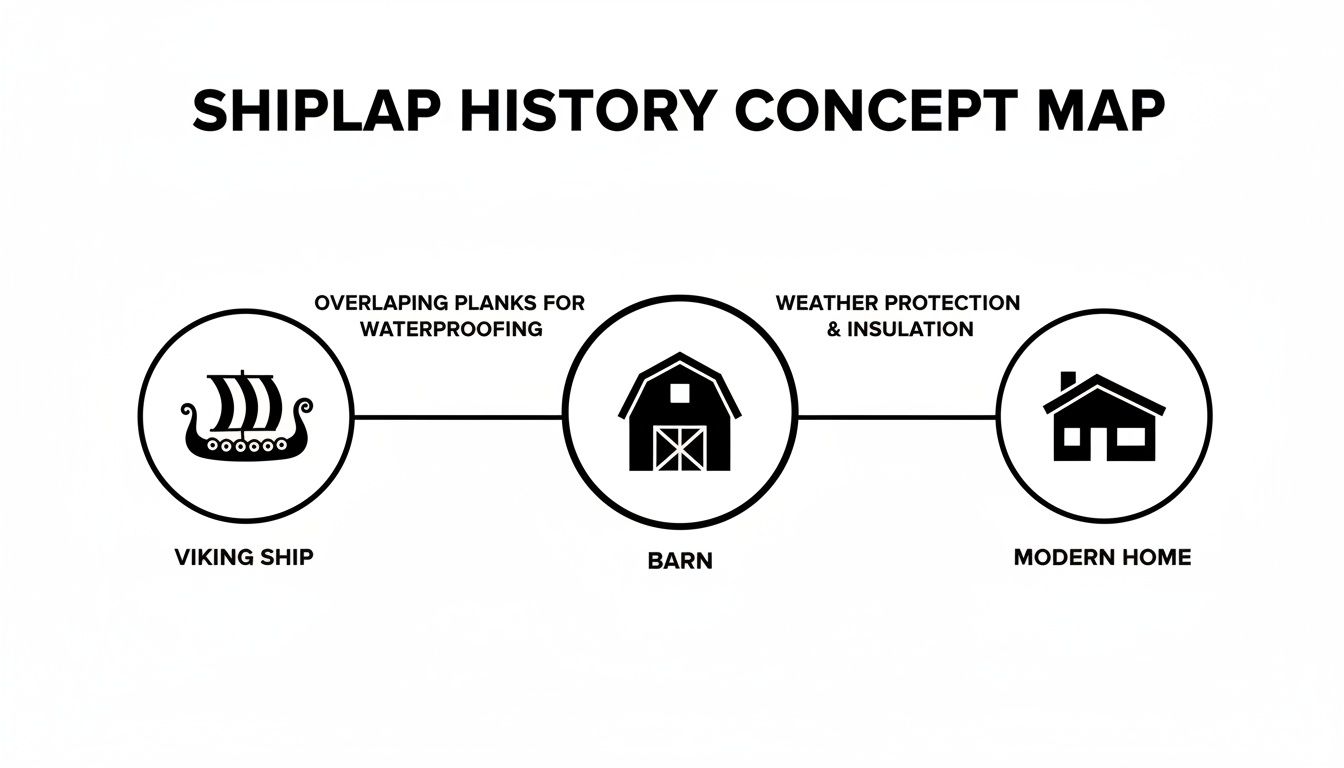
Shiplap's journey is a masterclass in functional design. What began over 1,700 years ago as "clinker" construction for Viking longships—a method used to build the famous Nydam boat around 320 AD—has evolved into a beloved architectural feature. These overlapping planks, once sealed with tar and animal fat, are the direct ancestors of the shiplap we use today. You can explore the full history of shiplap's evolution on UFP-Edge.com.
Why does shiplap’s history matter for my Prescott home?
Understanding where shiplap comes from explains why it remains one of the hot remodeling trends in Prescott. It’s more than a passing look; it's a material with a proven track record.
- Weather Resistance: The overlapping joint was engineered to shed water and block wind, making it an exceptionally durable finish.
- Structural Integrity: When installed correctly by a professional, the interconnected planks add a real layer of rigidity and strength to the wall.
- Timeless Appeal: Its clean lines have allowed it to shift seamlessly from functional origins to a staple of modern design, fitting rustic, coastal, and contemporary styles.
For homeowners in the Prescott area, choosing shiplap means investing in a material that is as robust as it is beautiful. Whether your project is a simple update or a full-scale renovation, our team at Able & Ready Construction ensures the installation respects this heritage of quality craftsmanship.
What are the different types of shiplap?
Choosing the right shiplap involves matching the material and style to your space, budget, and the local climate. This is a process we walk our clients through every day at our Prescott Valley design center, ensuring every detail is perfect for their home.
Common Shiplap Materials
The material you choose will define the look, toughness, and budget for your project.
- Natural Wood (Pine, Cedar): Nothing beats solid wood for authentic grain and character. Pine is a cost-effective choice. For homes in Prescott and Dewey-Humboldt, we often recommend cedar because it naturally resists moisture and pests, making it a sound investment.
- MDF (Medium-Density Fiberboard): For a flawless, painted finish, MDF is the best choice. This engineered wood has a perfectly smooth surface, comes pre-primed, and is dimensionally stable, creating a crisp, clean look.
- PVC: For areas with high moisture—bathrooms, laundry rooms, or kitchen backsplashes—PVC is the ideal solution. It’s 100% waterproof, will never warp or rot, and is easy to clean.
Common Shiplap Profiles
The profile, or the shape of the joint, shapes the final look of the wall. The two most common styles are the nickel gap and the v-groove.
- A nickel gap profile creates a clean, squared-off shadow line, giving it a distinct, modern feel.
- A v-groove profile has a beveled edge that forms a small "V" where planks connect, offering a more traditional appearance.
Of course, shiplap is just one of many great wall treatments. If you're weighing your options, our guide on shiplap vs wainscoting can help clarify the differences. The technical design of shiplap allows for 15-20% dimensional movement due to its overlapping joints, which is crucial for preventing warping in Arizona’s fluctuating temperatures. This blend of style and engineering is why it has become so popular.
What are the pros and cons of a shiplap wall?
Shiplap’s clean lines make it a popular choice for homes in and around Prescott, but it's important to look at the full picture. At Able & Ready Construction, we believe in having an honest conversation about materials upfront so that the finished product not only looks great but also works for your lifestyle.
What are the advantages of shiplap?
Shiplap offers a combination of durability and design flexibility that sets it apart.
- Exceptional Durability: Originally built to protect the exterior of buildings, shiplap is tough. When installed correctly, it creates a solid surface that holds up to everyday life far better than standard drywall.
- Timeless Character: It adds instant texture and a sense of history to any room. Whether you want a modern farmhouse look in your Chino Valley kitchen or a rustic accent in a Prescott cabin, shiplap delivers.
- Design Versatility: The clean lines can alter the perception of a space. Horizontal boards make a room feel wider; vertical boards make ceilings feel taller.
What are the disadvantages of shiplap?
While the upsides are clear, there are practical points to consider.
- Cost: Shiplap is more expensive than a standard drywall finish, both for the material and the skilled labor required for a professional installation.
- Maintenance: The signature gaps between boards can collect dust and require occasional cleaning with a duster or vacuum attachment.
- Installation is Critical: Proper installation is essential, especially in the variable climate of Prescott and Dewey-Humboldt. If not securely fastened to wall studs, boards can warp or shift. This is why hiring an experienced, licensed contractor like Able & Ready Construction makes all the difference, ensuring a beautiful result that protects your investment.
How much does a shiplap wall cost in Prescott?
Understanding the cost of a shiplap wall in the Prescott area involves two main factors: materials and professional installation. As a licensed, bonded, and insured general contractor (ROC286905), Able & Ready Construction believes in transparent pricing to help you feel confident in your decision.
Material Costs
The type of shiplap you choose is the biggest factor in your material budget.
- MDF (Medium-Density Fiberboard): The most budget-friendly option, ideal for a smooth, painted finish.
- Pine: A popular and affordable natural wood that provides authentic grain and character.
- Cedar: A premium wood that is an excellent investment for Northern Arizona due to its natural resistance to moisture and pests.
Professional Installation Costs
While DIY may seem cost-effective, professional installation is an investment in quality and peace of mind. Labor costs vary based on:
- Room Size & Complexity: A simple accent wall is straightforward, while a large room with windows, outlets, and corners requires more precision.
- Wall Preparation: Existing walls must be properly prepped to ensure a flawless final surface.
- Installation Quality: Our experienced crews at Able & Ready Construction ensure every board is securely fastened to wall studs, level, and professionally finished to prevent warping.
Choosing a professional contractor protects your investment. Our installations are backed by labor warranties, avoiding costly future repairs and delivering a finish that elevates your home's value. You can learn more about which projects provide the best home remodeling return on investment in our detailed guide.
How do I start a remodeling project in Prescott?
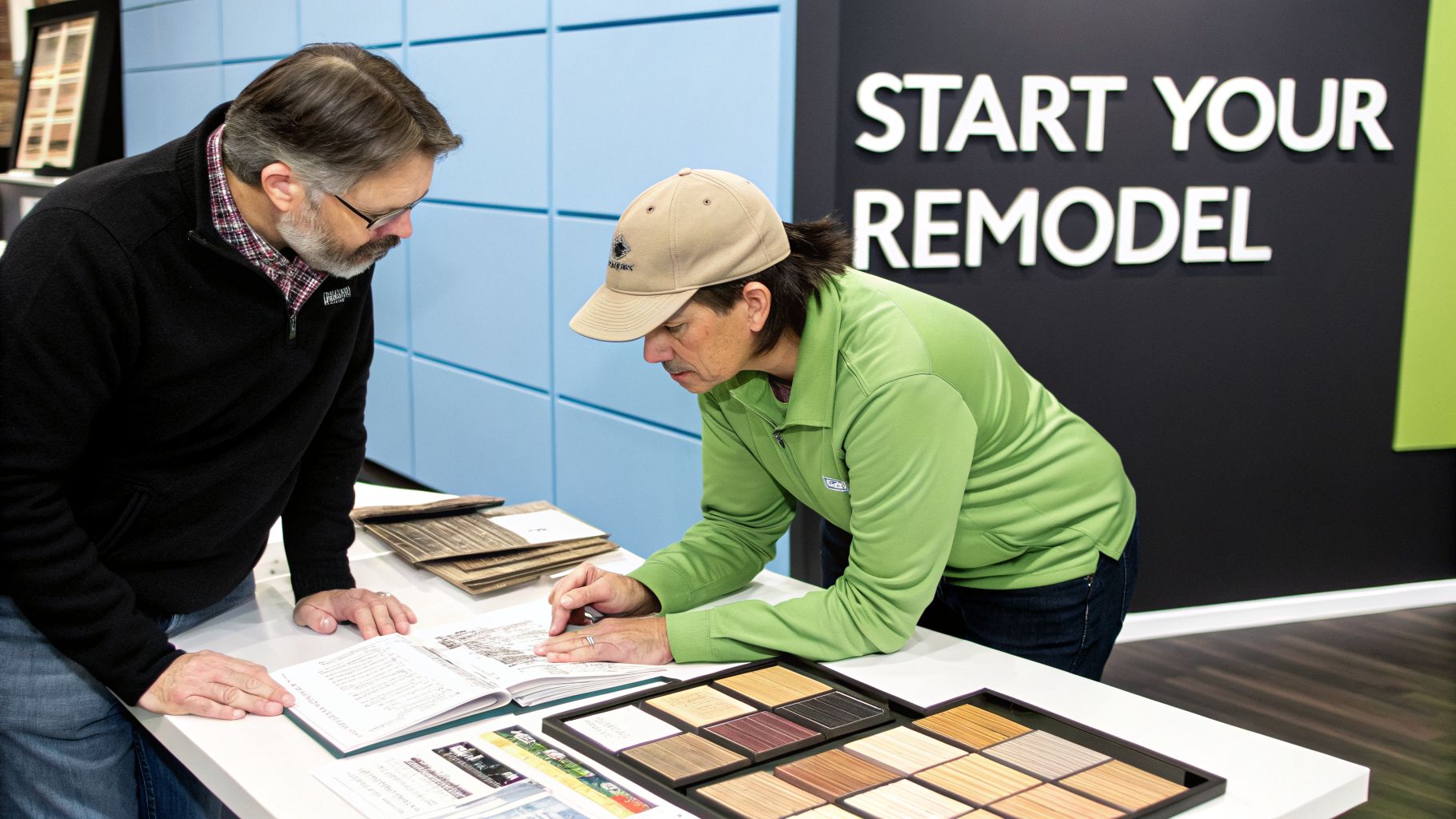
If you’re a homeowner in Prescott, Prescott Valley, or Chino Valley, understanding what a shiplap wall is is the first step. Turning that idea into a finished project is where Able & Ready Construction comes in. We believe a remodel should be an organized, calm process. Our job is to guide you from the initial idea to a perfectly completed space.
Our Proven Process
We have spent nearly two decades refining our process in the Prescott community to ensure your project runs smoothly and delivers what you envision.
- Initial Consultation: We start by listening to your goals, style preferences, and how you imagine the finished space.
- Design and Selection: At our Prescott Valley design center, you can see and feel material samples—from classic pine to durable PVC—to select the perfect fit for your home.
- Meticulous Installation: Our licensed and insured crew (ROC286905) handles the rest, ensuring every board is perfectly aligned and secured for a professional finish that lasts.
Working with a dedicated local contractor provides peace of mind. Our team manages every detail, from material selection to final cleanup. If you want to learn more, check out our guide on how to hire a contractor for your next project.
Frequently Asked Questions About Shiplap
Here are answers to common questions we hear from Prescott homeowners about shiplap walls. At Able & Ready Construction, our goal is to provide clear information so you can feel confident.
Is shiplap a good choice for bathrooms and kitchens in Arizona?
Yes, but only with the right material. For rooms with higher humidity, like kitchens or bathrooms, we recommend naturally moisture-resistant woods like cedar or an engineered product like PVC shiplap. Proper installation is critical; our team ensures every board is sealed and finished with high-quality, mold-resistant paint to ensure it holds up beautifully in your Prescott home.
Can shiplap be installed over textured drywall?
Yes, in most cases. We can install shiplap directly over existing textured drywall. The key is to anchor the boards securely into the wall studs, not just the drywall itself. Our installers carefully locate every stud to guarantee a solid, professional finish that lasts for years in your Prescott Valley home.
Is shiplap going out of style in 2026?
No. While the modern farmhouse trend brought shiplap into the spotlight, it is a classic architectural element with centuries of history, not a fleeting trend. Its clean, versatile lines work with many styles, from rustic and coastal to modern. Think of it as a long-term design investment that adds lasting value and character to your home.
What is the difference between shiplap and tongue and groove?
The difference is how the boards connect. Shiplap uses an overlapping "rabbet" joint, which creates an intentional "nickel gap" between boards. Tongue and groove uses an interlocking "tongue" and "groove" to create a tight, flat, seamless surface with no visible space.
If you have more questions or you’re ready to see how a shiplap wall could transform your space, the team at Able & Ready Construction is here to help. We invite you to request a quote or visit our Prescott Valley showroom to start planning your project with confidence.

